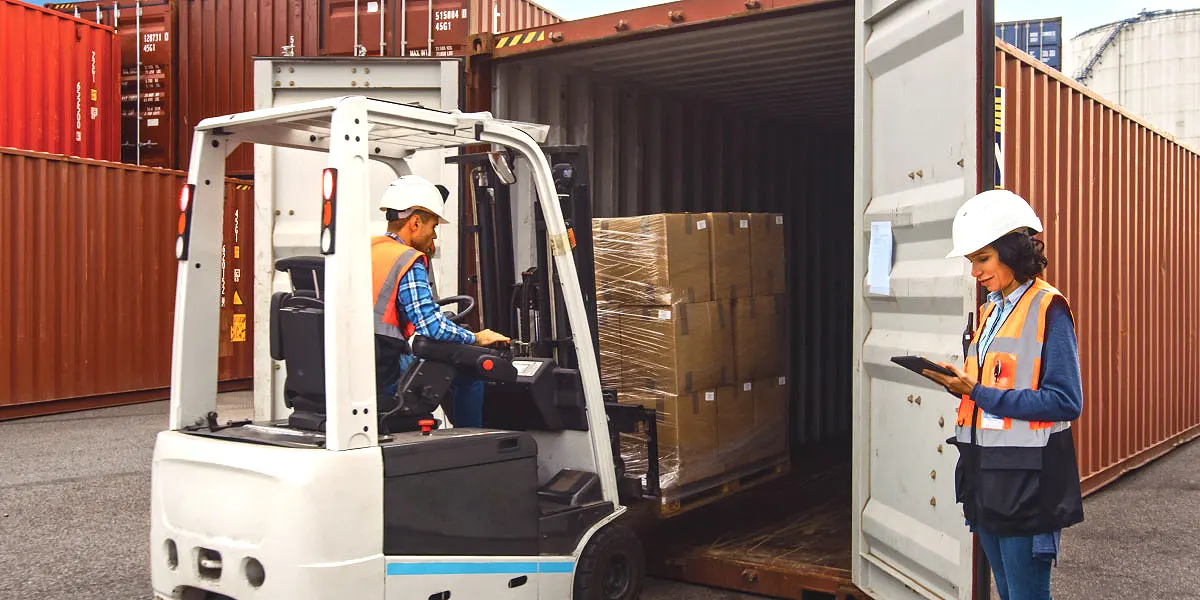
FOB/CNF Handling Services
Shipment Terms: FOB / CNF
FOB or CNF—choose the right Incoterm for your shipping responsibility.
Shell Diamond Cargo Services LLC makes shipping smaller consignments easy with our Less than Container Load (LCL) Ocean Freight service. We consolidate multiple smaller shipments from various shippers or to different consignees into a single container. This gives you access to a vast global network with frequent LCL direct services connecting all major ports and inland locations.
On FOB shipments suppliers are kept free of their responsibilities and finish when they hand over their goods to the nominated forwarders of their buyer. Suppliers will simply get their goods ready, make an invoice and packing list, and prepare the shipment booking sheet for the forwarder. Once the goods are handed over to the forwarder, it’s now the forwarder’s responsibility to contact the shipping line and get the insurance for the goods. In these cases, the buyer of the goods settles the arrangements of the forwarder in two ways: prepaid and collect basis. A prepaid basis shipment means the buyer will pay the freight charges before the shipment occurs. For collect basis shipments buyers can pay the forwarders in his country after goods arrive at the port and they have been notified of the shipment.
For CNF, CAD, and CIF shipments, suppliers of the goods are held responsible for all freight-related charges. The only significant operational difference is that with CNF the buyers of goods secure the insurance. There is a difference in the risks associated with each of these arrangements though. CNF and CIF are more secure than CAD. With CAD the buyer may deny the goods when they reach his port of discharge or destination. This is rare but the possibility still exists. This arrangement is only used when both parties, the supplier and the buyer, have a strong relationship. The issue of which shipping line to use depends on the shipment terms.
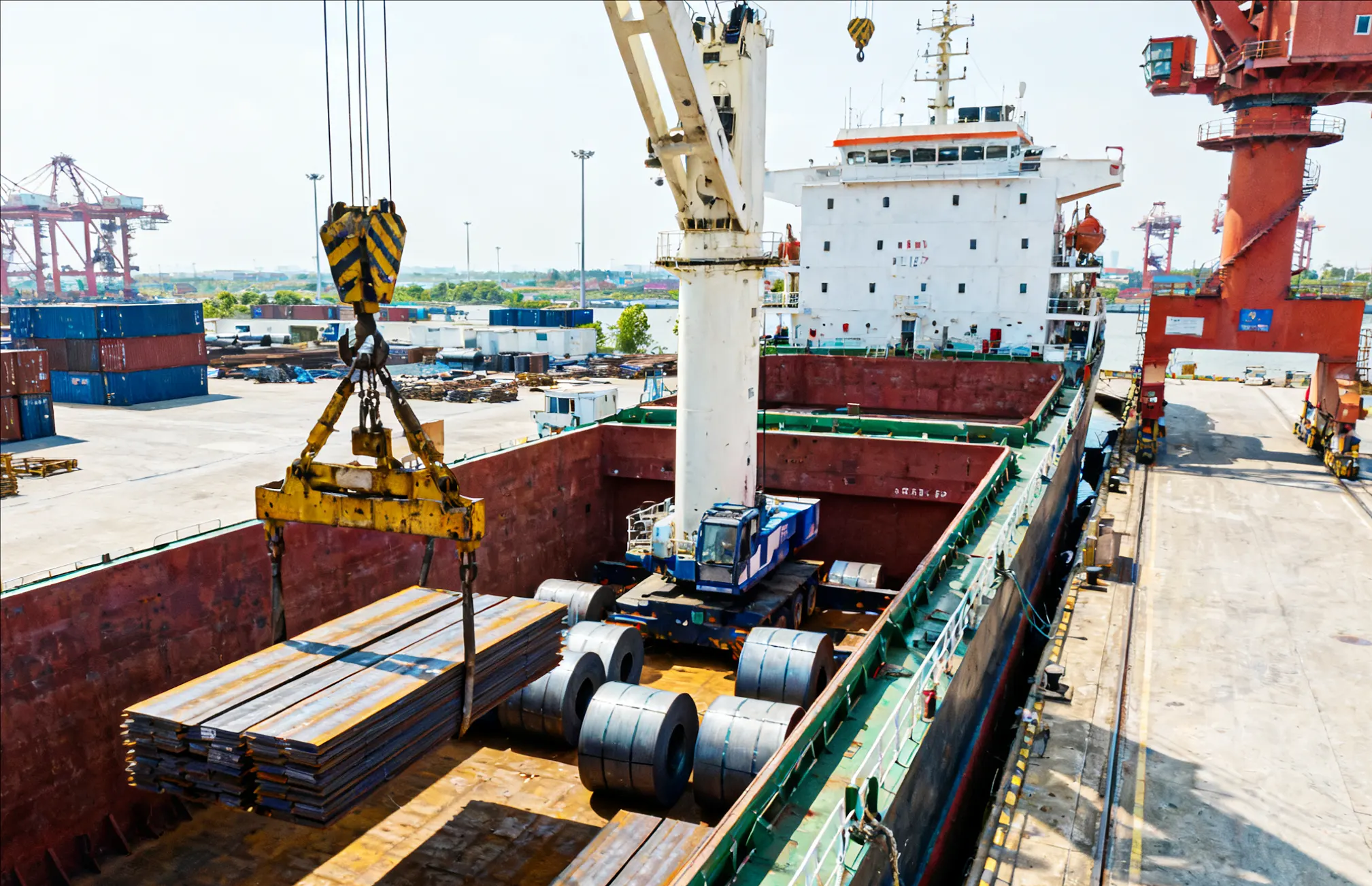
Shipping lines run the carriers and are that transport containers. These are generally termed mother vessels which need a certain level of sea water underneath them to travel around the globe. These ships only dock in deep sea ports. So, there is a secondary type of ship called a feeder vessel that carries goods from mainland to a deep sea port and loads the goods onto the mother vessel. Feeder vessels are not built to move in the deep sea, which is only possible by mother vessels. A number of feeder vessels from a global region deposit their loads onto a single mother vessel. This is a complex process by which goods are shipped overseas. Shipping lines do not take excuses for delays and have the right to unload any container in order to save their vessel at any point, whether for a storm or technical issue. Thus it is important to secure insurance on goods.
What are the Buyers’ responsibilities in CNF shipping terms?
| Task | Seller | Buyer |
|---|---|---|
| Export packaging | √ | |
| Inland transport to port | √ | |
| Export customs clearance | √ | |
| Freight to destination port | √ | |
| Insurance | √ | |
| Import customs clearance | √ | |
| Inland transport at destination | √ |
How CNF Shipping Works (Step-by-Step)
Seller Prepares and Delivers Goods
The exporter prepares the goods and delivers them to the port of shipment.
Export Customs Clearance
The seller completes export documentation and pays all related fees.
Goods Loaded on Vessel
Once the goods are onboard, risk transfers to the buyer.
Seller Pays Ocean Freight
The seller covers transportation costs to the agreed destination port.
Buyer Handles Import Process
The buyer arranges customs clearance, pays import taxes, and manages final delivery.
Industries
Delivering Confidence with Every Consignment.
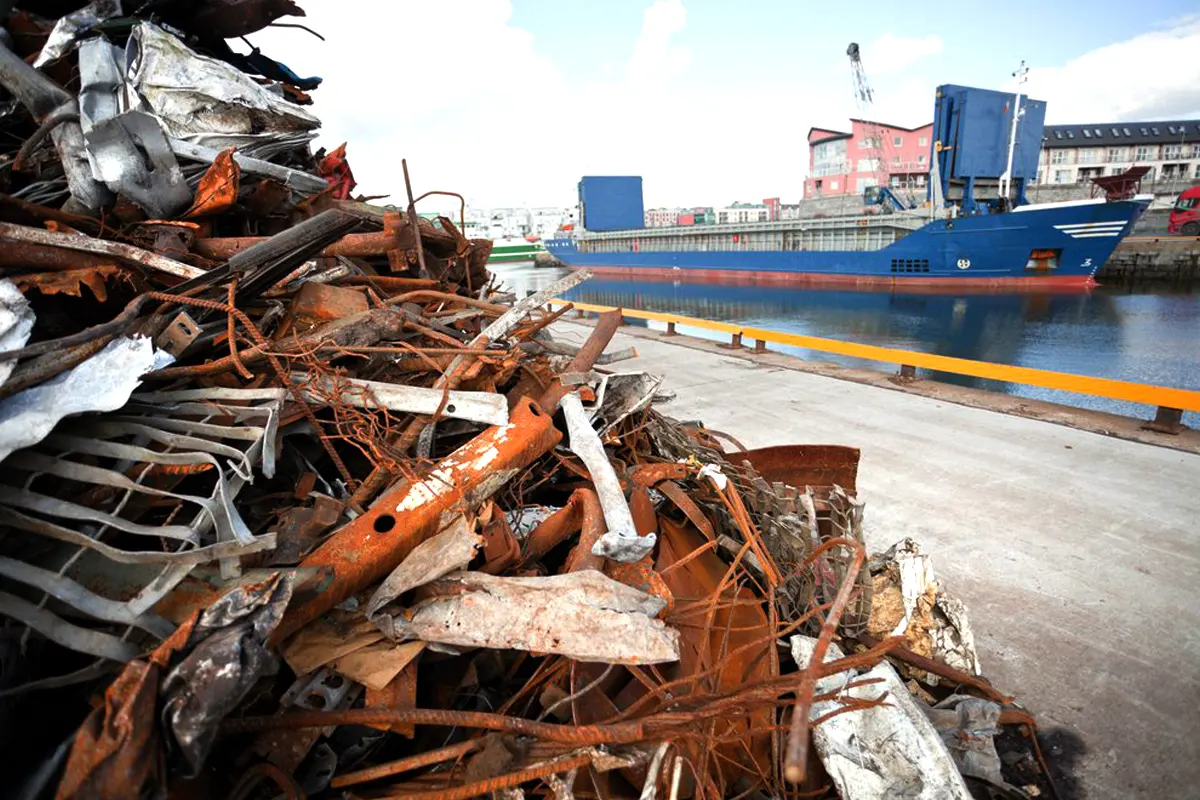
Metal Scrap
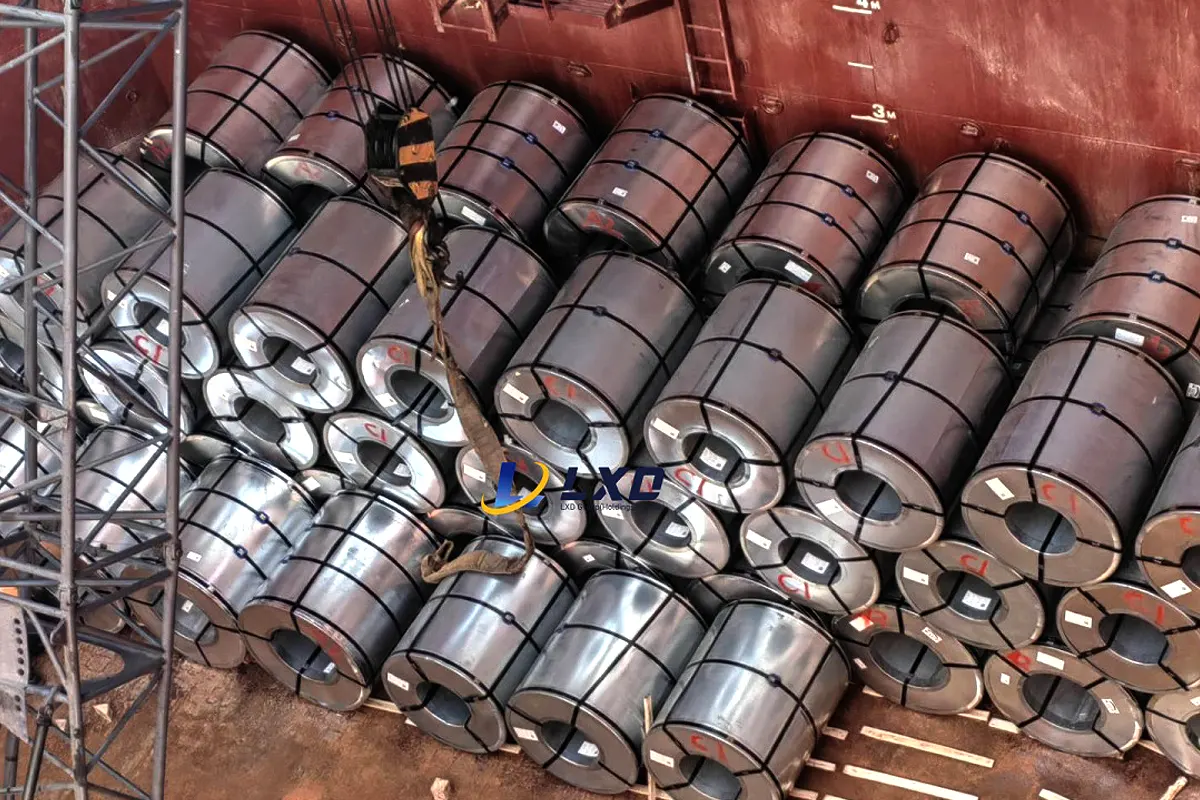
Industrial Steel Materials
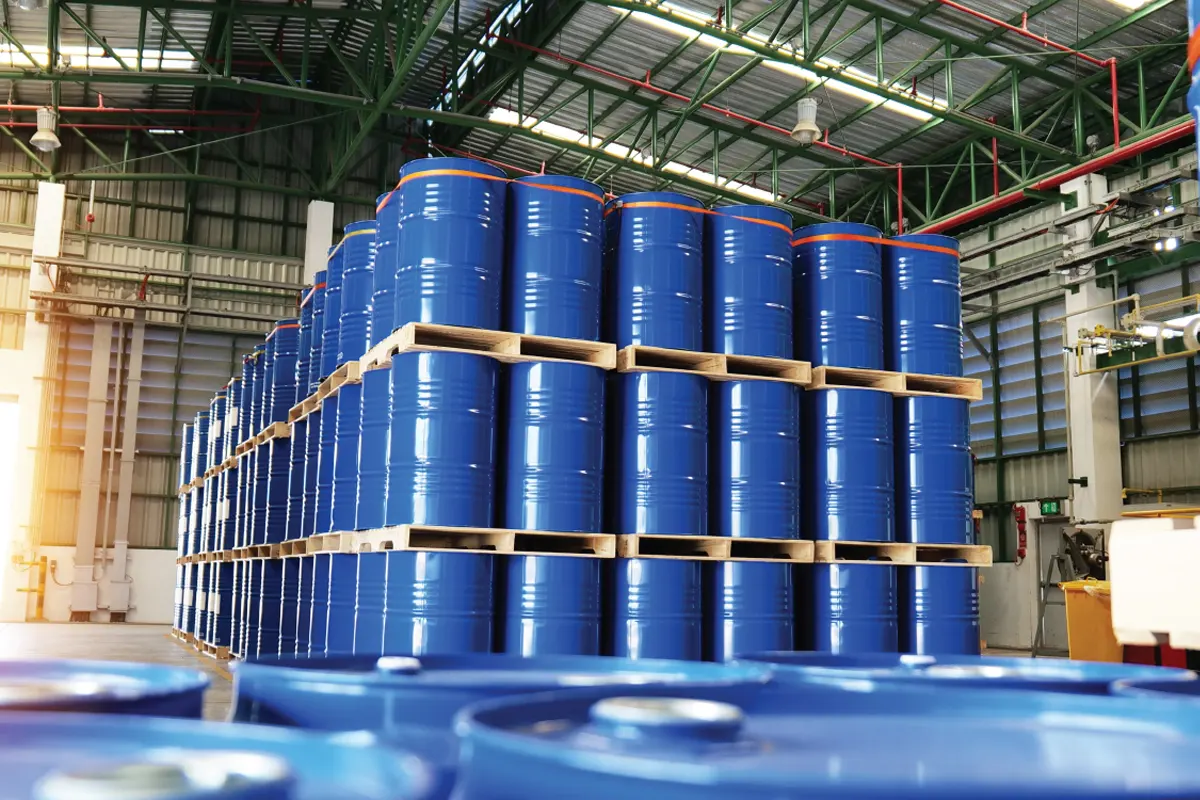
Chemicals

Consumer Goods & Retail
We do it all. So you don’t have to